
Act on Climate and EGCAN's community resilience mapping activity in East Gippsland really highlighted the area's exposure to climate risk due to its vastness and isolation and resulted in the identification of opportunities for improvement and development.
Good climate resilience strategies that keep community members safe - this is the outcome of Community Resilience Mapping. The activity aids the exploration and understanding of a specific area's risk to climate impacts. It identifies the residents most at risk, where a community's has strong climate resilience, and where the gaps are in its climate impact readiness.
We're offering support to anyone who wants to facilitate the activity in their own community. Check out our Community Resilience Mapping Facilitation Guide, which you can use to guide the running of your own event!
Read on for more about the East Gippsland community resilience mapping event and outcomes, as well as more about EGCAN's Climate Ready Communities initiative and its next steps.
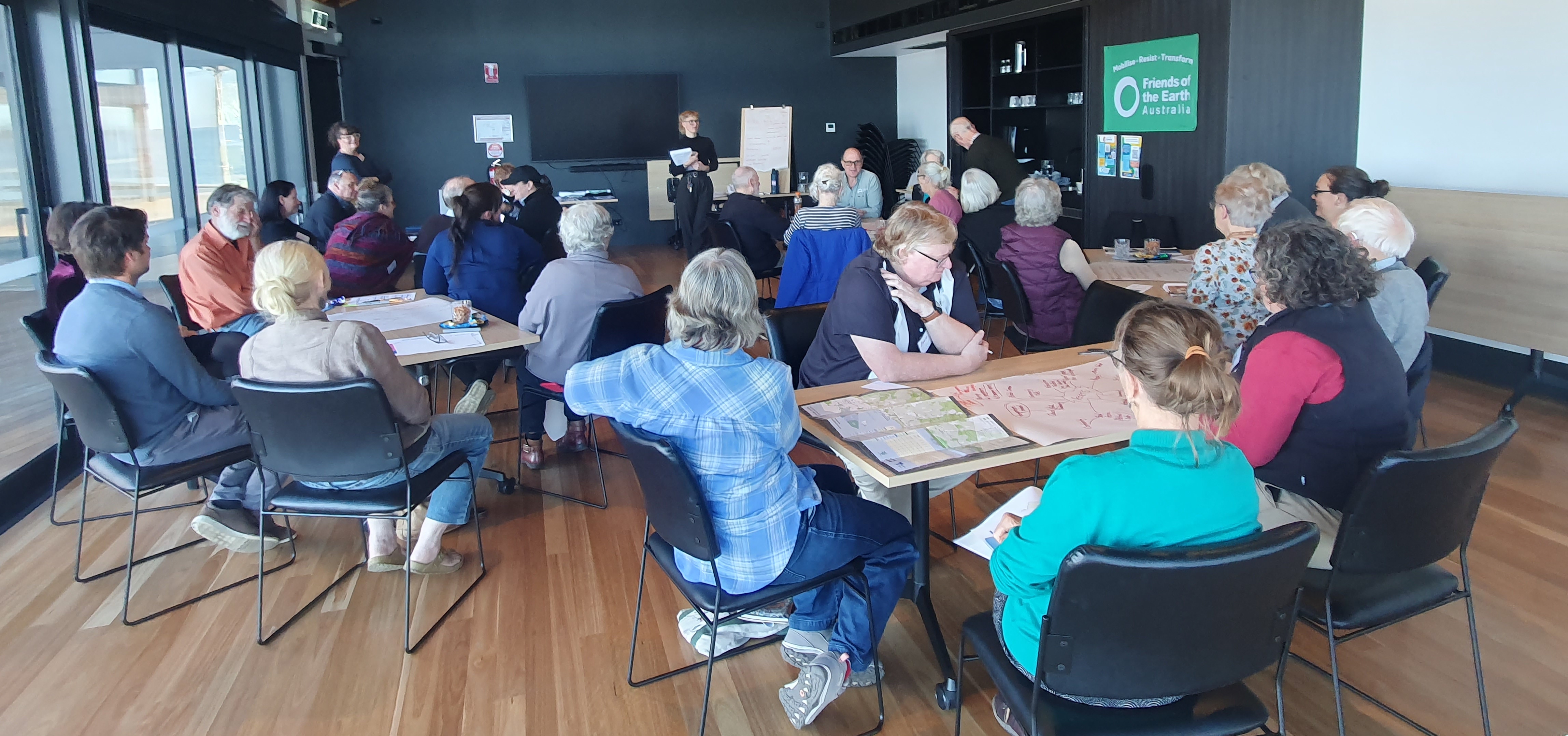
Community Resilience Mapping is used to achieve good climate resilience. Through community members brainstorming strategies that keep community members safe.
- Helps inform adaptation and emergency response plans & the prioritisation of time and resources
- Results in practical community-led solutions & knowledge of how can stay safe
Through identifying:
- Exposures: various climate impacts
- Sensitivities: who/which areas most at risk
- Assets: what already in place to reduce impacts
- Adaptive Capacity: where are the gaps
This activity was adapted from the Climate Resilience Project.
Read more on what community resilience mapping is and why to do it.
EGCAN Community Resilience Mapping event
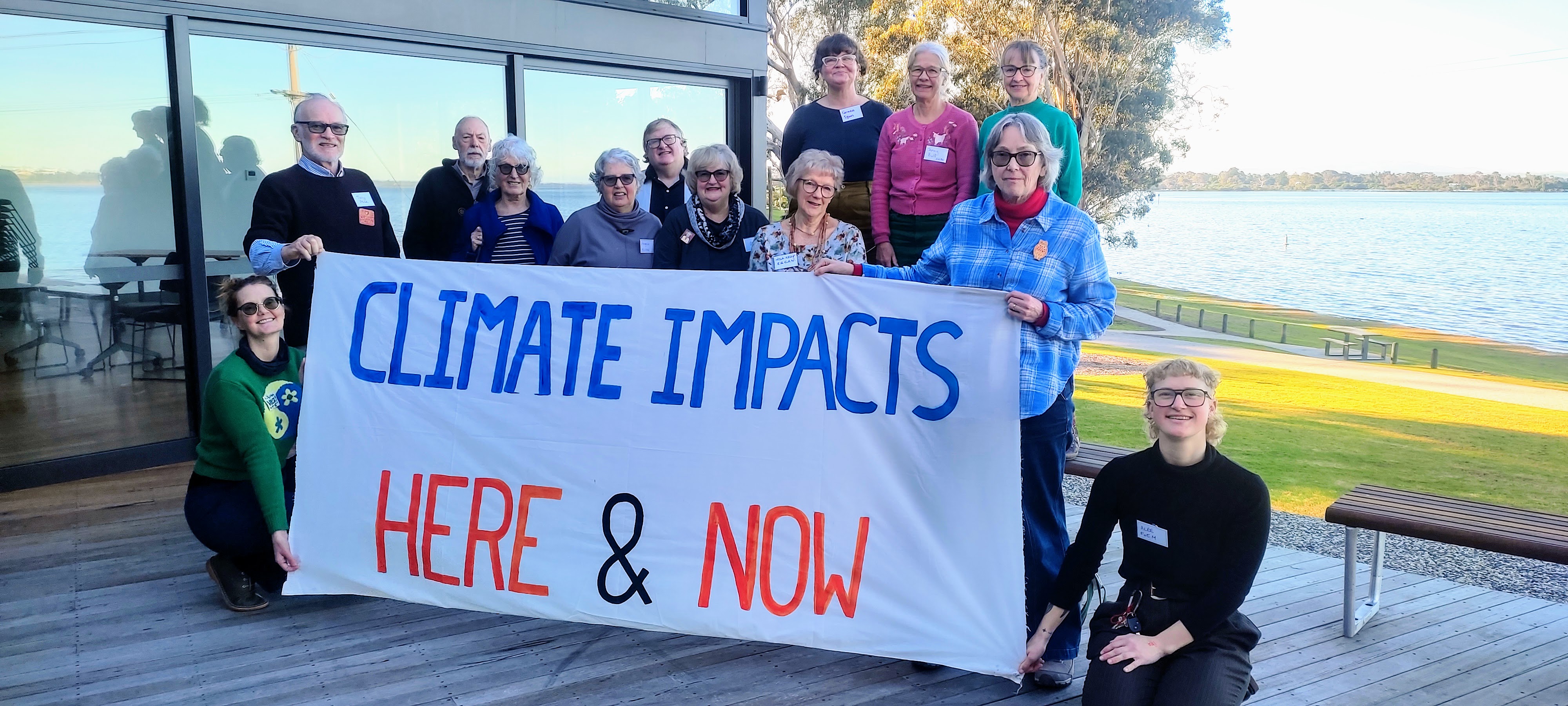
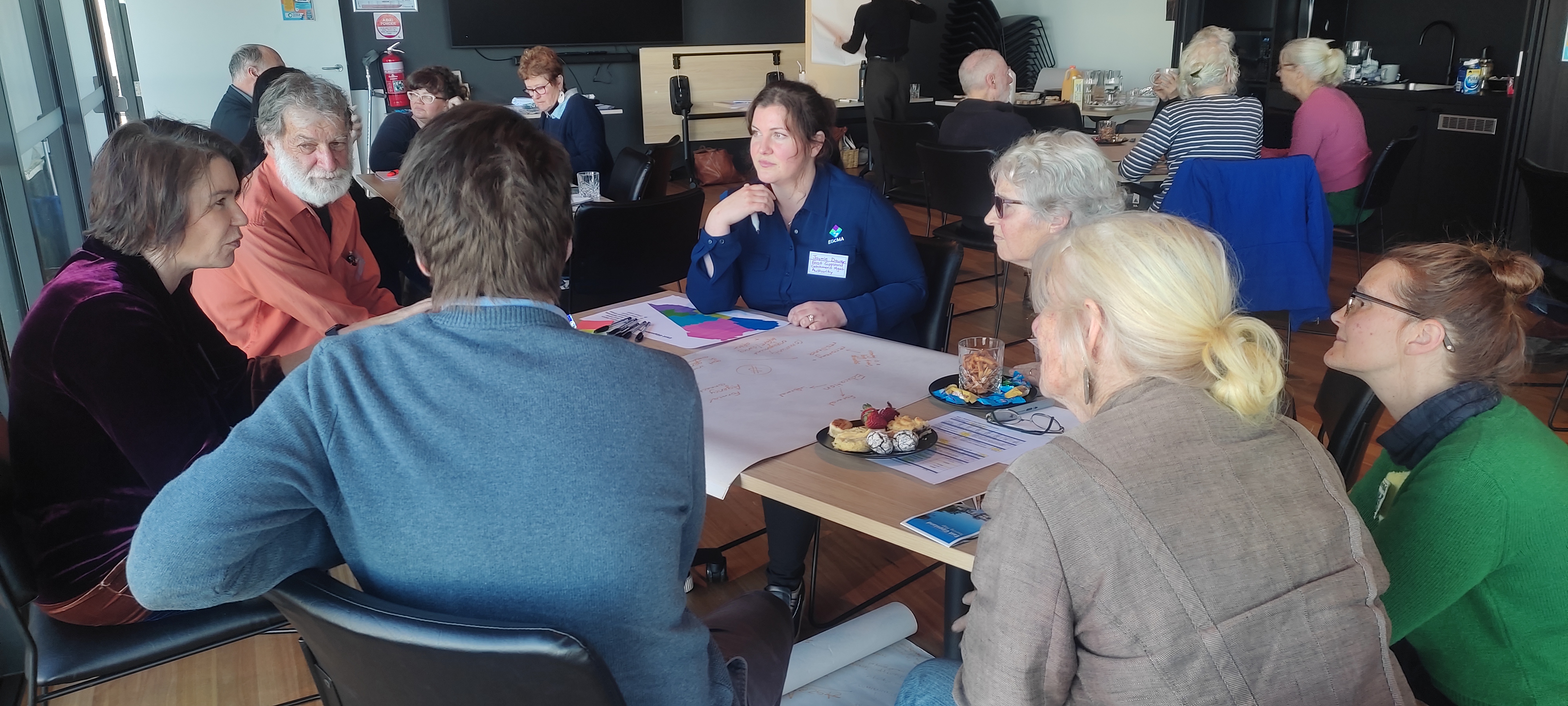
The Act on Climate collective facilitated a community resilience mapping activity for East Gippsland Climate Action Network (EGCAN) on 2 August 2024 at the Eagle Point Foreshore Hub.
This event brought together representatives from the following authorities and agencies:
- East Gippsland Shire Council
- East Gippsland Water
- East Gippsland Catchment Management Authority
- Gippsland Lakes Complete Health
- Department of Energy, Environment, and Climate Action
- Friends of Gippsland Lakes
- FLOAT
- Far East Victoria Landcare Network
- Uniting Church
- Sale
- ACTing Anglican Climate Action Group
- Aus Business Volunteer group,
- as well as representative community members.
In summary, the group believed that East Gippsland is exposed to a vast range of climate related weather events and has some unique sensitivities due to the vastness of the area and reliance on tourism and agriculture. This can lead to isolation, economic hardship, and the potential for loss of biodiversity, native wildlife, and farm animals.
The people and the communities can be both assets and the sources of vulnerability with the mitigating factors determined by such things as relationships, attitudes, knowledge, skills and experience. This can be supported and enhanced through partnerships and input from agencies and authorities to provide reliable communications and infrastructure, as well as funding and education around preparedness in order to enhance resilience. Responsibilities are spread between agencies and individuals and many opportunities for improvement and development were identified.
Identified Exposures
The group considered the following possible climate impacts that may affect East Gippsland, and have the potential to intensify in frequency and impact in the future:
- Bushfire
- Storms
- Contamination eg mining and pollution
- Heatwave
- Coastal sea level rise
- Reduced rainfall
- Flash flooding
Identified Sensitivities
Some parts of the community were considered to be more at risk to the consequences of climate related weather events, and the following vulnerabilities were identified:
-
People
- the isolation of some individuals and communities, the presence of anxiety, levels of suspicion and mistrust, one person households, mental health issues along with rising rates of domestic violence, the age spread of the population (older and younger majorities), as well as the lower socio-economic and education levels compared to other areas of Victoria. The compounding accumulation of ongoing events was considered particularly relevant to some communities.
-
Infrastructure
- impact of weather events on food production, agriculture and outdoor workers as well as causing electrical outages and limited access to gas and firewood. Unreliable telecommunications services and limited access to hospitals for the aged and injured. Lack of public transport and alternate roads into, and out of, some communities.
-
Economic
- limited employment opportunities and a big reliance on tourism, agricultural systems and farming.
-
Nature
- loss of native wildlife, parks and forests, as well as many farm animals. Also the vastness of the region.
-
Education
- those people who are disconnected from information in relation to the potential for disasters and the impacts.
Identified Assets
The following aspects were considered to be existing and relevant for dealing with climate related impacts:
-
People and Community
- local leadership from lived experience and hardship with knowledge and skills, plus a willingness to respond, adaptability, and a “can do” attitude. The sense of safety that comes from self reliance as well as relationships, and prior planning for emergencies. Community groups and networks. Towns helping other towns, and knowing who the vulnerable community members are.
-
Infrastructure and Geography
- community halls, refuge centres, libraries, neighbourhood houses, Bairnsdale cinema, community pools, church and faith communities facilities, vegetable gardens, and the men’s shed were all considered to have useful potential for emergencies. Also the geographic variability, large land mass, presence of a green oasis along with many water bodies such as lakes and rivers were all seen as being positives.
-
Authorities and Agencies
- some existing emergency services and agencies such as East Gippsland Shire, Gippsland Lakes Complete Health, East Gippsland Water, Gippsland Agriculture were named as well as the fact that agency workers live locally. Communication through the ABC and the Vic Emergency App were seen as vital to provide messages to evacuate and information updates. It was thought that some existing projects (not named) would be useful to inform future decisions.
Identified Adaptive Capacity
These are the opportunities to address what is lacking in order for everyone to feel as safe as possible:
-
Communications
- within communities such things as community newsletters, phone trees, door knock neighbours, ham radio or use of WhatsApp groups. In the broader community reliable internet to access the Shire community notice board as well as other methods such as an electric communications bus for the 24% of people who do not have reliable internet or if the internet is unavailable.
-
Relationships
- the need for strong community relationships within communities (perhaps through events) and with formal and informal agency connections and the inclusion of First Nations thinking. Government investment in genuine community engagement before, during, and after events. Development of networks for specific groups such as wildlife carers.
-
Transport
- improvement of bicycle network and maintenance of pathways as well as train services. Possibility of a marine transport system via waterways, rivers and lakes, and an electric bus for the community.
-
Education
- could be done through formal and informal channels and facilitating conversations and creating opportunities for larger discussions to increase understanding and reaching people resistant to the idea of climate change. Community education about - what their own capacity is, the natural world, behaviour change for resilience, and new residents from cities. This could also be done through faith communities but should use local knowledge as well as First Nations knowledge, and not be outsourced. Households could be educated about energy usage.
-
Technology
- opportunity for electric vehicles using vehicle to load power, micro-grids and electricity sharing, solar systems and generators, well planned and tested battery systems.
-
Government
- need for funding for “preparedness”, clarity over who takes responsibility for what, and the challenges of a centralised model of operation and maintenance for installed technologies. Local planning schemes could seek contributions from developers to provide biodiversity, shade, rewilding of nature strips.
-
Infrastructure
- possibilities for the use of more tank water, community bunkers, co-ops for food, and the development of basic self sufficient infrastructure.
These points were also made for consideration:
- use place based skills and services with local employment
- consideration given to tourist peak times
- the differences between town and rural areas
- native vegetation and biodiversity. - planning for outages. - there can be a false sense of safety. What are we doing to prepare? - community consultation in recovery takes a long time.
EGCAN's Climate Ready Communities Initiative & Next Steps
Climate Ready Communities has an upcoming Public Forum and is launching “small groups conversations” soon. They will involve connection through art, connection through board games, and connection through conversation.
Want help making this happen in your community?
We're offering support to anyone who wants to facilitate the activity in their own community. Check out our Community Resilience Mapping Facilitation Guide, which you can use to guide the running of your own event!
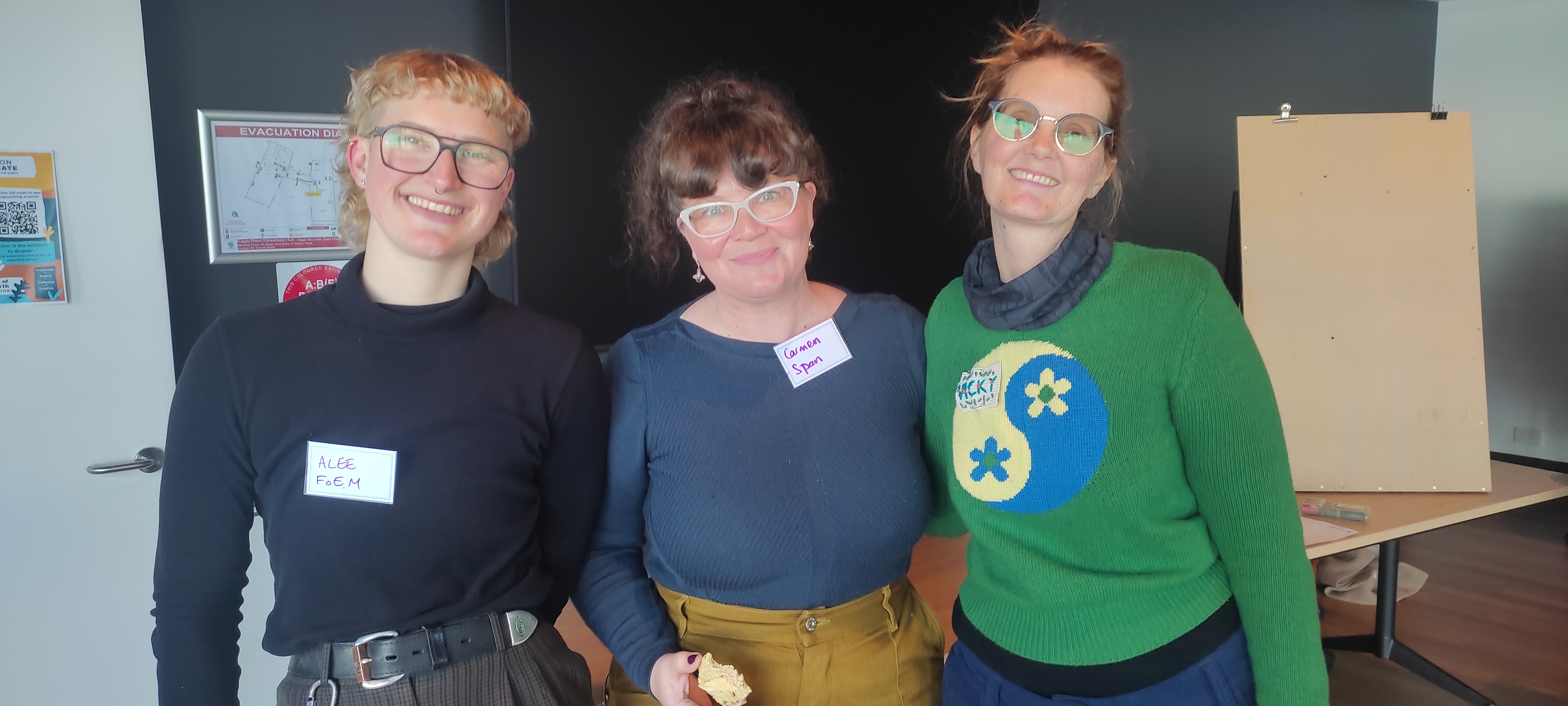
Uncertain about running a Community Resilience Mapping session in your community? We're happy to help! Contact us, either Aleesha Hanczakowski on [email protected] or Vicky Ellmore on [email protected], and we can answer any questions and walk you through running the event yourself, or we can come facilitate it ourselves, if possible.
Reach out for support to run Community Resilience Mapping in your community!
Stay tuned for further updates from Friends of the Earth's Act on Climate collective as we campaign for community-led climate adaptation by signing up for campaign updates here.
If you haven't already, please add your name to the call for a Victorian Community Climate Adaptation Fund. We need community-led climate adaptation that is continuously and adequately funded. This funding will enable communities to fulfil their plans to build resilient communities in a changing climate and keep those most at risk safe.