
Recent information obtained by Friends of the Earth via Freedom of Information (FoI) requests to Victorian water authorities reveal that the herbicide Metolachlor was detected over 110 times in 30 water supplies between 2017 and 2025 with an average detection level of 0.05µg/L (mean 0.02µg/L). µg/L=parts per billion.
In Australia the drinking water guideline for Metolachlor is 300µg/L which in terms of pesticide health guidelines, is on the higher end of the guidelines.
Metolachlor's lowest ecological guideline however, known as the ANZECC 99% Default Guideline Value (DGV) is almost 36,000 times lower and set at 0.0084µg/L and in terms of herbicides is the second lowest 99% DGV guideline in Australia.
Friends of the Earth is concerned that all 110 detections breached the 99% Default Guideline Value (DGV). The average Metolachlor detection was 600% higher than the 99% DGV.
The FoI's also helped identify several Metolachlor 'hotspots' where urgent action is required to stop this chemical polluting water supplies.
Metolachlor was detected at very low levels in treated water from Winneke Treatment plant in Melbourne in 2019, 2020, 2021 and 2024 and drinking water in Manangatang in August 2023.
Metolachlor was Victoria's sixth most frequently detected pesticide with a rise of 1000% in detections in comparison to detections in Victorian water supplies 2007-2016.
Metolachlor is primarily used as a pre-emergent herbicide for controlling grasses and some broadleaf weeds in a variety of crops. The EU have classified Metolachlor as being a suspected human carcinogen.
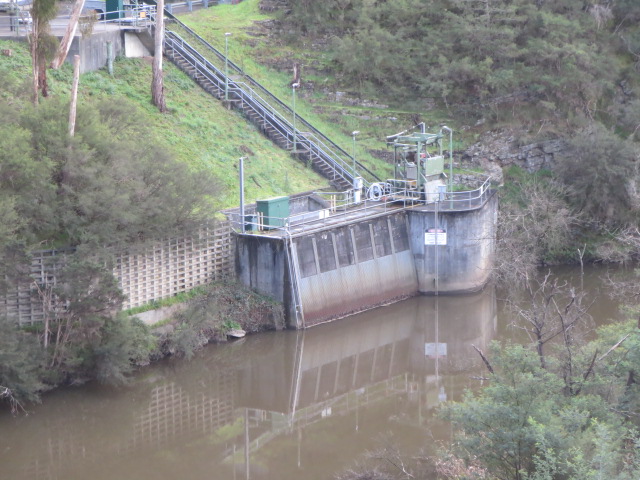
30% of Victorian detections for Metolachlor were recorded by Melbourne Water at the Yering Gorge offtake on the Yarra River. Another four detections were detected after treatment at the Winneke Treatment Plant which supplies drinking water to over 1.7 Melbournians mainly in the northern and western suburbs. The Yarra River at this location should warrant the highest possible environmental guidelines but does it? Water authorities also have no control about what is being sprayed on private land in their catchments and where. Metolachlor has also been detected in the mouth of Yarra River in a separate study published in 2020.
ANZECC guidelines are divided into categories that offer different guideline levels in relation to the quality of the waterway. For instance, a degraded waterway in an urban environment could be granted an ecological guideline of 80% meaning that due to existing degradation there has already been some species loss. Higher guideline levels in 'degraded areas' allow for higher amounts of pesticides. A guideline of 80% will supposedly warrant ‘protection’ for 80% of species in that waterway.
The highest level of protection is 99% for waterways in high quality environments. 95% protection is generally granted to agricultural areas where some species loss has already occurred. Metolachlor DGV's published in 2020 are highlighted in the table below. Note that the Metolachlor 95% DGV is ~55 times higher than the 99% guideline. The 80% DGV is almost 1800 times higher than the 99% guideline.
| Australian Drinking Water Guideline | 99% DGV | 95% DGV | 90% DGV | 80% DGV |
| 300 µg/L | 0.0084 µg/L | 0.46 µg/L | 2.6 µg/L | 15 µg/L |
The current ANZECC system does not appear to incorporate the argument that important areas such as water supply catchments should warrant the highest level of protection, 99% DGV. Indeed in some water supplies, ecological guidelines may not apply at all. The current guideline system also does not appear to incorporate repairing waterways from 'degraded' to 'improved'. For example, Landcare tree planting programs often incorporate buffer planting to protect waterways from erosion etc. Shouldn’t such planting also incorporate water quality improvements which could elevate waterways from 95% DGV to 99% DGV? Where does long term water quality improvement fit into ecological guideline discussions? Are poorer quality waterways forever labelled as such with no impetus for improvement? Why do the ANZECC guidelines allow for ongoing pollution of waterways and domestic water supplies?
In terms of 95% DGV's there were six pesticide breaches between 2017-2025, two for metolachlor, two for atrazine and one each for the organophosphate insecticides chlorpyrifos and diazinon.
If averaged out between 2017-2025, there were nine water supplies around the state that were in breach of 99% DGV's across the entire time period. This indicates chronic pesticide pollution or serious spikes of pesticides.
The major contaminant in all* these areas was Metolachlor. The areas of most concern in regards to the ecological impacts of Metalochlor were Talbot Reservoir, Evansford Reservoir, Tullaroop Reservoir and Centenary Reservoir (Central Highlands Water), Taylors Lake (Grampians Wimmera Mallee Water), Cohuna, Boort and Laanecoorie (Coliban Water), and the Yarra River at Yering Gorge (Melbourne Water). *Neerim South/Tarago Reservoir's issues were mainly related to a one off detection of Chlorpyrifos, Diazinon and Metolachlor in 2024.
The towns of Ouyen and Quambatook also had 4 and 5 detections at their raw water storages. Average levels at Ouyen were 0.0125µg/L and Quambatook 0.018µg/L, well under the Australian Drinking Water Guidelines, but indicating source water from the Loddon River and Murray River contains Metolachlor.
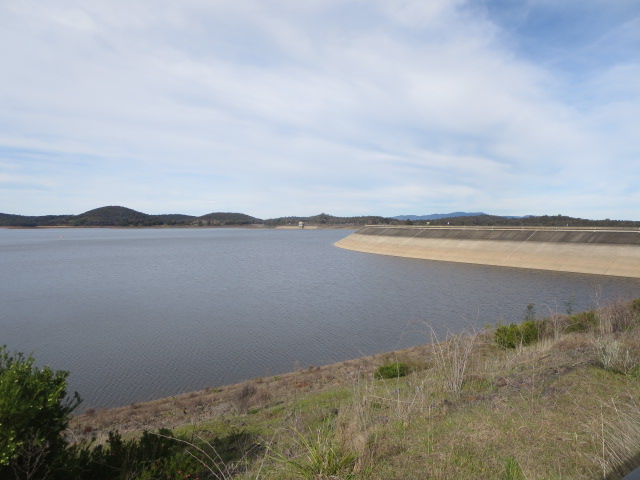
Sugarloaf Reservoir located near Christmas Hills in north eastern Melbourne. Water from Maroondah Reservoir and the Yarra River ends up in this Reservoir prior to being treated at Winneke Treatment Plant. Traces of the herbicides Metolachlor, Simazine and MCPA were detected for the first time post treatment at Winneke in 2019 and 2020 meaning that they would also have had to be detected in Sugarloaf Reservoir. It also appears that Sugarloaf Reservoir is not tested for pesticides (or PFAS chemicals). Does the ecological DGV apply in reservoirs such as Sugarloaf?

All Metolachlor detections in the Yarra River breached the 99% DGV with a noticeable spike in 2021. DGV's have no legal 'teeth' and are guidelines only. Did Melbourne Water investigate the source of the Metolachlor? Was the EPA informed? Metolachlor was detected in the Yarra River throughout the year, with the highest number of detections in May, September and October.
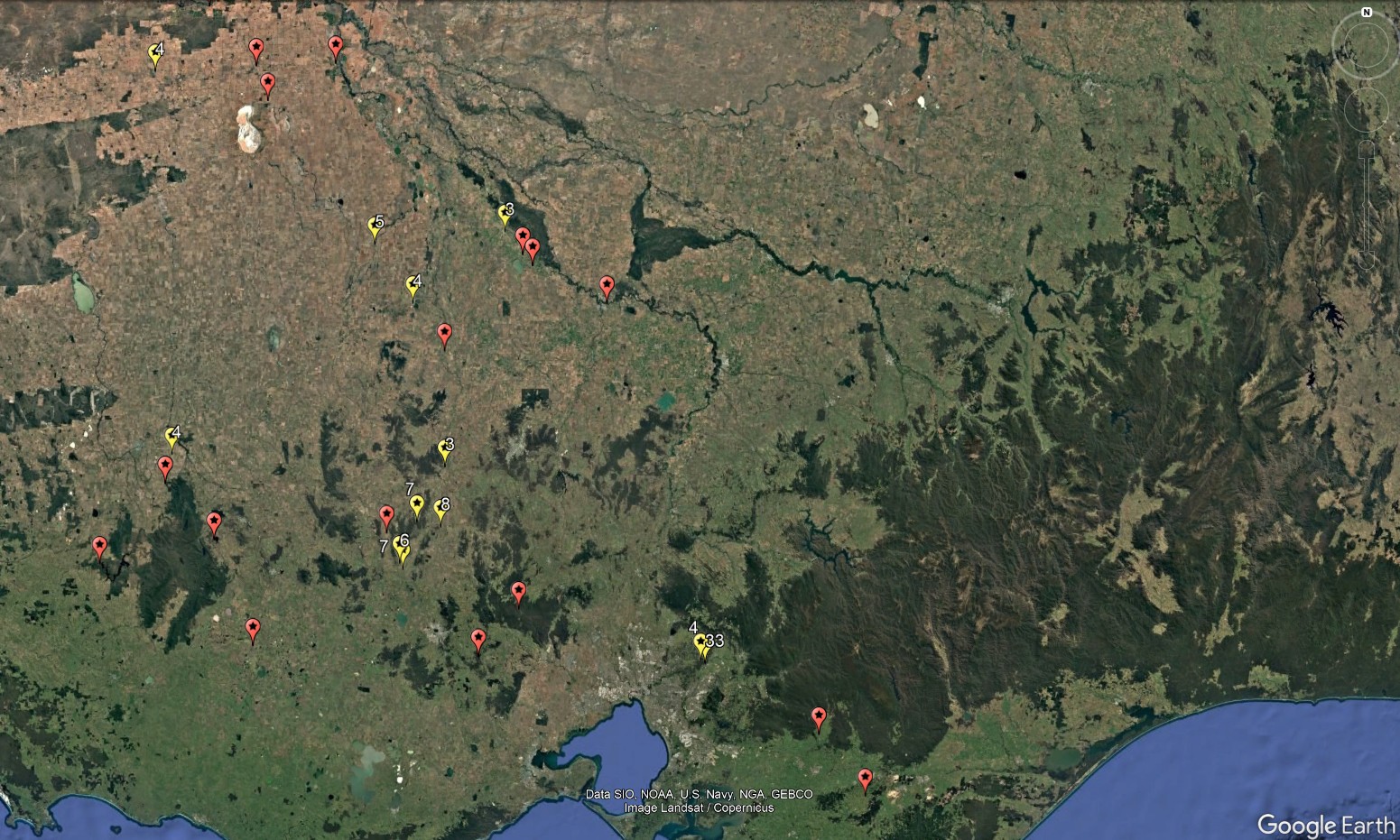
Map of Victoria showing where Metolachlor was detected by water authorities. The Yellow pins represent locations where more than four detections were found and indicate probable chronic/long term Metolachlor pollution. Hotspots include the Yarra River, northern Grampians, Maryborough water supply system, the Loddon River and Murray River. The cluster of yellow pins near the centre of the image represent Talbot Reservoir, Evansford Reservoir, Tullaroop Reservoir and Centenary Reservoir all part of the Maryborough water supply system managed by Central Highlands Water.
Metolachlor is used to control some annual grasses and broadleaf weeds in some crops. In Victoria Metolachlor is permitted to be used on the following crops: Broccoli, Brussels Sprouts, Cabbages, Cauliflowers, Canola, Green Beans, Navy Beans, Maize Sweet Corn, Pastures (clover varieties), Phalaris and Cocksfoot, Soybeans, Sunflowers, Sweet Potatoes, Wheat, Barley, Oats and Triticale.
Depending on the crop, Metolachlor is used in Victoria to control about 30 different types of 'weeds': These include Annual Ryegrass, Barnyard Grass, Blackberry Nightshade, Common Cotula, Crows Foot Grass, Dead Nettle, Fat-Hen, Fiddle Dock, Italian Ryegrass, Liverseed Grass, Lovegrass, Nightshades (solanum sarrachoides and S.gigram), Pigeon Grass, Potato Weed, Shepherd's Purse, Stinging Nettle, Summer Grass, Toad Rush, Wandering Jew and Winter Grass. It is also used to suppress Chickweed, Common Sow Thistle, Common Thornapple (Datura stranonium), Evening Primrose, Nettleleaf (Goosefoot), Pig Weed, Twiggy Turnip and Wireweed.
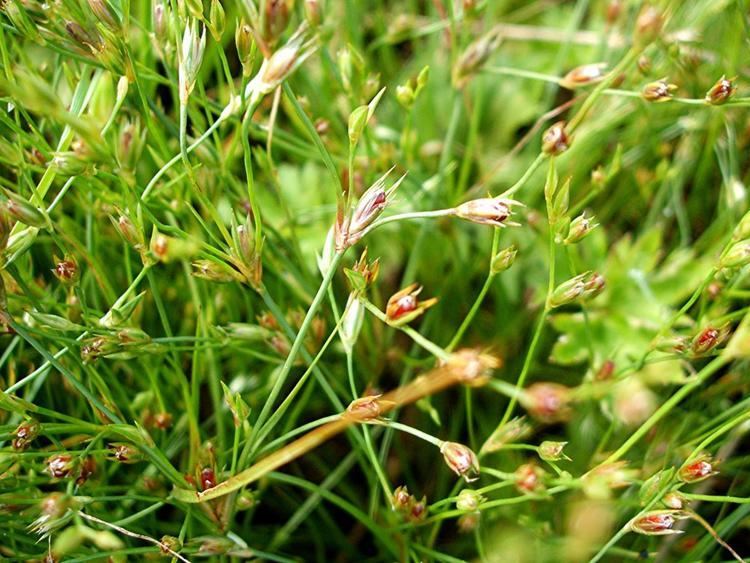
Toad Rush (image Alchetron.com). Metolachlor's main use across the greater areas of land may be to control Toad Rush in canola, pastures, wheat, barley, oats and triticale crops. Higher metolachlor rates (up to 4 litres/ha) are however permitted on vegetable crops which cover less land than canola, pastures etc.
If it reaches water, Metolachlor is particularly problematic to Chlorophyta (green algae) and Bacillariophyta (diatoms), the foundations of the aquatic food chain. Green Algae and Diatoms produce their own food through photosynthesis using sunlight and carbon dioxide. Both green algae and diatoms create microhabitats within waterways, providing surfaces for bacteria, fungi and invertebrates. They are also important for oxygen production and carbon sequestration.
Water authorities have one primary interest and that is to safeguard the drinking water supply in terms of potential health impacts to their customers. The ecological impact of the pesticides that are detected are usually not a priority. Surely drinking water authorities need to take a more proactive stance in reducing pesticide loads into waterways.
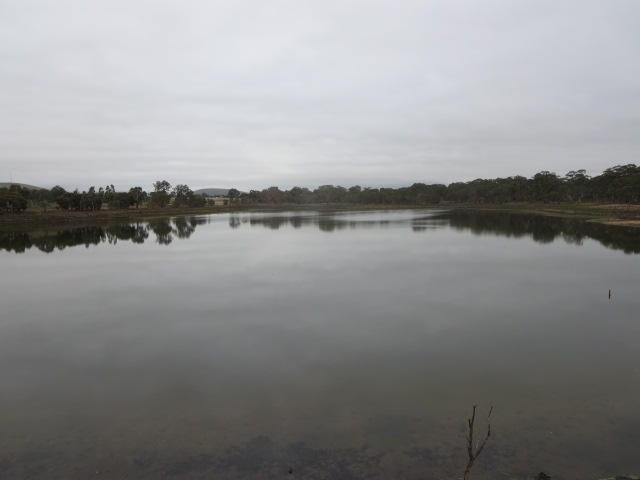
Talbot Reservoir, part of the Maryborough water supply recorded the states highest Metolachlor detection of 1µg/L or 120 times the 99% DGV in 2019. This detection was only 0.3% of the Australian Drinking Water Guidelines and therefore would not warrant being a major issue for Central Highlands Water. In November 2021 nine different pesticides were detected in Talbot Reservoir. Talbot Reservoir averaged 15 times over the 99% DGV for pesticides in November for the period 2017-2025, with the major pollutant being Metolachlor. The highest average levels of Metolachlor at Talbot Reservoir were the highest in the state. Talbot Reservoir is fed by a relatively small catchment of 600 hectares, with more than half of the catchment dominated by cropping. The reservoir would also capture contaminants where they would accumulate within the Reservoir.
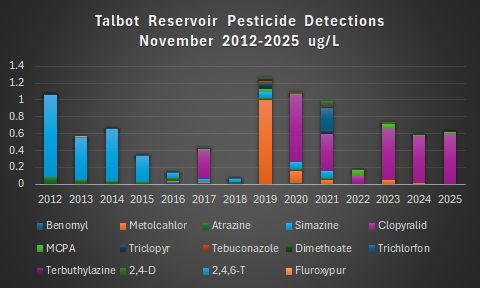
Pesticide testing has only occurred at Talbot Reservoir during November each year. Pesticide detections in Talbot Reservoir were dominated by Simazine between 2012-2016, with Metolachlor peaking in 2019. Miniscule amounts of Metolachlor are all that is required to breach Ecological DGV's. Talbot Reservoir has a capacity of 840ML. Clopyralid has dominated detections since 2020.
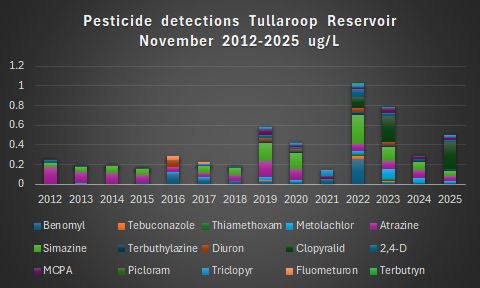
Pesticide detections in Tullaroop Reservoir during November were dominated by Simazine and Atrazine up to 2015. Pesticide detections increased significantly in 2022. Tullaroop Reservoir has a capacity of 73GL (73,000ML) or 80 times larger than Talbot Reservoir and drains a much larger catchment area. This implies that the amount of pesticides entering Tullaroop Reservoir are 80 times greater than Talbot Reservoir meaning similar pesticide losses per hectare. Testing for pesticides at Tullaroop only occurred in November, except for 2023, so it is difficult to understand if these pesticide levels occur only during the time of year when most pesticides are used.

Pesticide detections in Tullaroop were actually higher in September 2023 (mainly due to a detection of Picloram), than November 2023 indicating that November may not be the time that most pesticides are prevalent in Tullaroop.
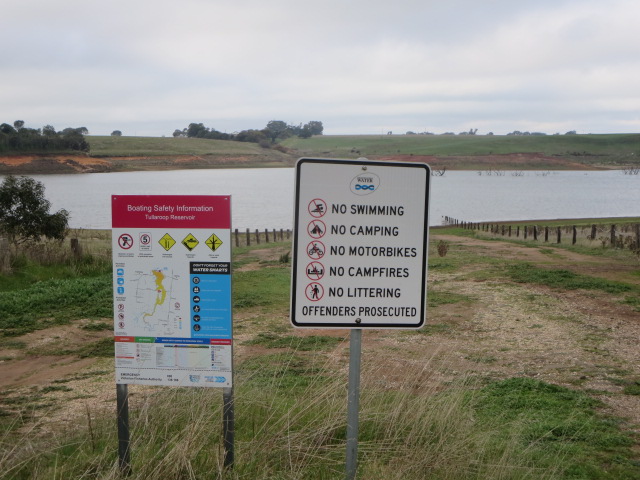
Tullaroop Reservoir, a Metolachlor hotspot. People can be prosecuted for a number of activities at Tullaroop, but pesticide pollution is apparently acceptable. In November 2022, 12 different pesticides were detected in Tullaroop Reservoir. This would represent several litres of pesticides entering the reservoir.

Pesticides detected in the Maryborough system 2017-2025. Tullaroop, Evansford and Talbot Reservoirs all feed into Centenary Reservoir. The water is treated before being distributed throughout the Maryborough network. The highest Metolachlor detections were at Talbot Reservoir.
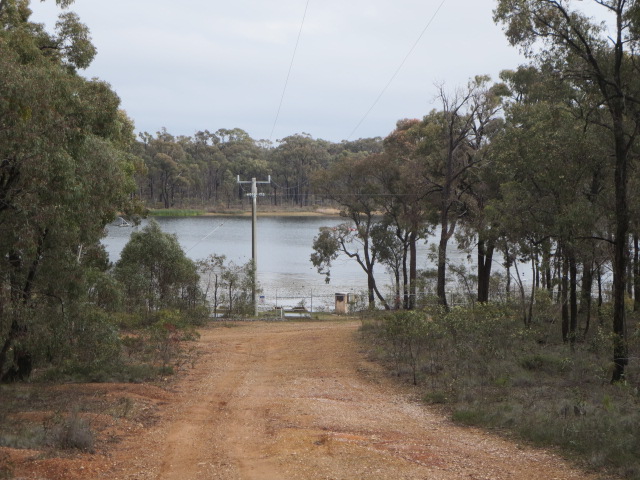
Centenary Reservoir located south of Maryborough also provides water to Alma, Bet Bet, Carisbrook, Daisy Hill, Majorca, Talbot and Timor. The Maryborough Treatment Plant uses Reverse Osmosis and Powder Activated Carbon, both of which will greatly reduce any pesticides in the raw water. However this does not resolve the issue of the ecological impact of pesticides in raw water.
In terms of legal action regarding pesticides in a domestic water supply, Friends of the Earth has only found one example in Victoria. In April 2005, Barwon Water issued Hancock Victorian Plantations (HVP) with a Notice of Contravention for Water Protection (Water Act 1989. Section 169(1): Notice of contravention for water supply protection). The water authority then reached an agreement not to use certain herbicides, most probably Hexazinone in its catchment area. (Hexazinone had been detected leaching from a HVP pine plantation, surrounding Korweingaboora Reservoir in the Moorabool River Catchment).
The highest level of Hexazinone detected near the Moorabool treatment plant in 2005 was ~0.08% of the Australian Drinking Water Guideline. Since 2005 it would appear that no Victorian water authority has taken similar action against users of pesticides that are higher than 0.08% of the ADWG's or of users of Metolachlor where that pesticide breaches ecological guidelines by hundreds or even thousands of times.
Water authorities also do not have to be informed what pesticides are being used in the water supplies that they are responsible for meaning that they don't necessarily test for all pesticides that may be used within the water supply.
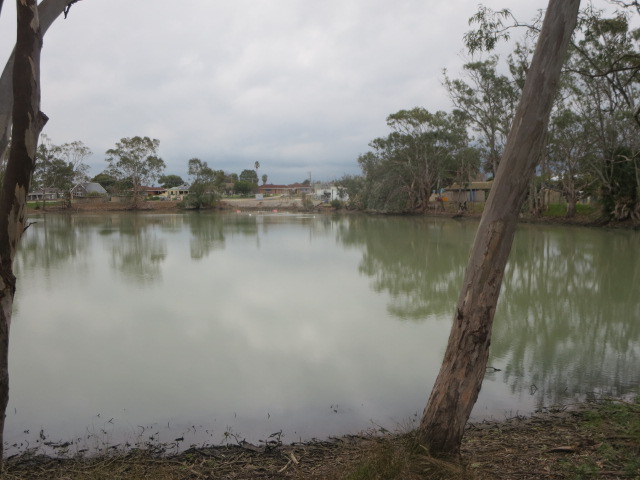
Boort Service Basin where Metolachlor (and other pesticides) were detected between 2020-24. Pesticide testing for currently registered pesticides only began here in 2020.
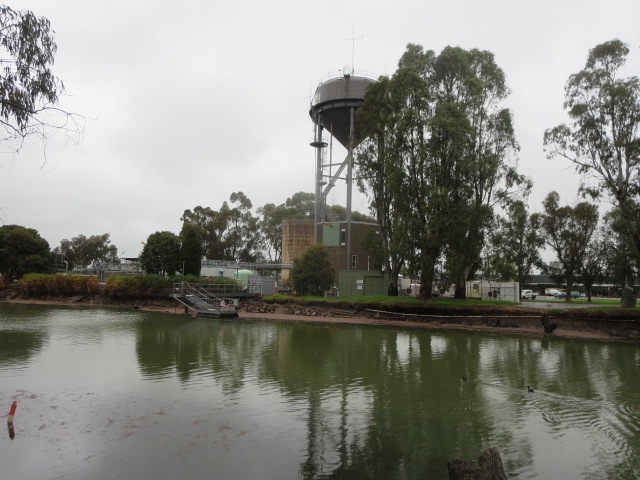
Cohuna Water Treatment Plant pumps water from Gunbower Creek. A spike of Metolachlor and Atrazine occurred here in November 2024. Was the source of the pollution ever investigated?
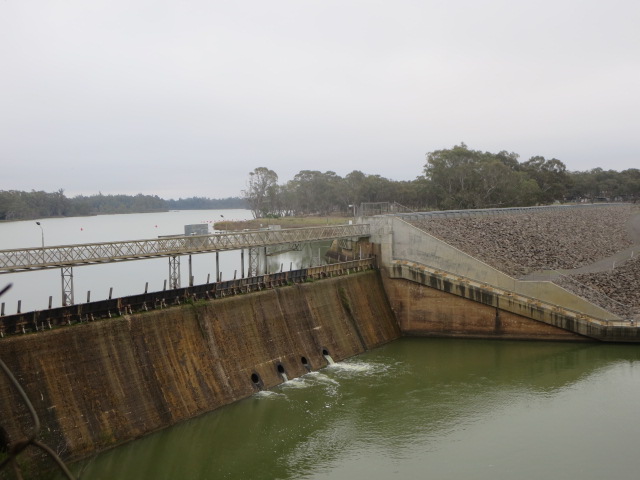
Laanecoorie Reservoir on the Loddon River. Four different pesticides were detected here in November 2022. Metolachlor was detected in 2022, 2023 and 2024. Fishing is a popular past time at reservoirs such as Laanecoorie, but for how long? Where are fishing groups in relation to pesticide pollution of waterways across Victoria?